Trip and Tales
Namaste & welcome to incredible India
From Hampi’s dark granite ruins to Jaisalmer’s sun-kissed havelis —
TripAndTales.com is your unbiased guide to India’s living heritage.
Every stone, every spice,every story is
Yours To Explore
35+
States covered
300+
Destinations
1000+
Heritage sites
Curated for you
.
Featured Destinations
View all 500+ →
THE SCHOLAR’S DIARY
Follow the scholars documenting India’s living Heritage
Real journeys, Deep research, Untold stories
Meet the Scholars ⇒
KHAJURAHO, MP
Gyaneshwari Kumawat
Decoding Khajuraho’s sacred stone narratives
Read Diary »»
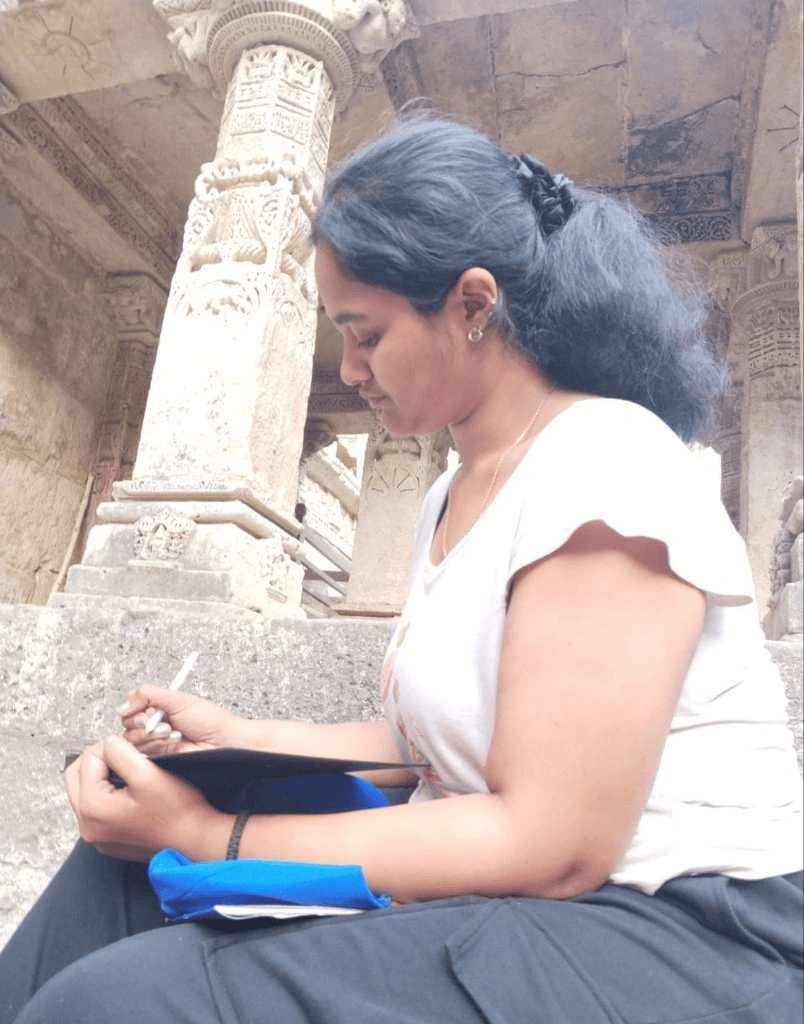
RANI KI VAV, GJ
Neha Bhave
Uncovering Gujarat’s subterranean architectural masterpiece
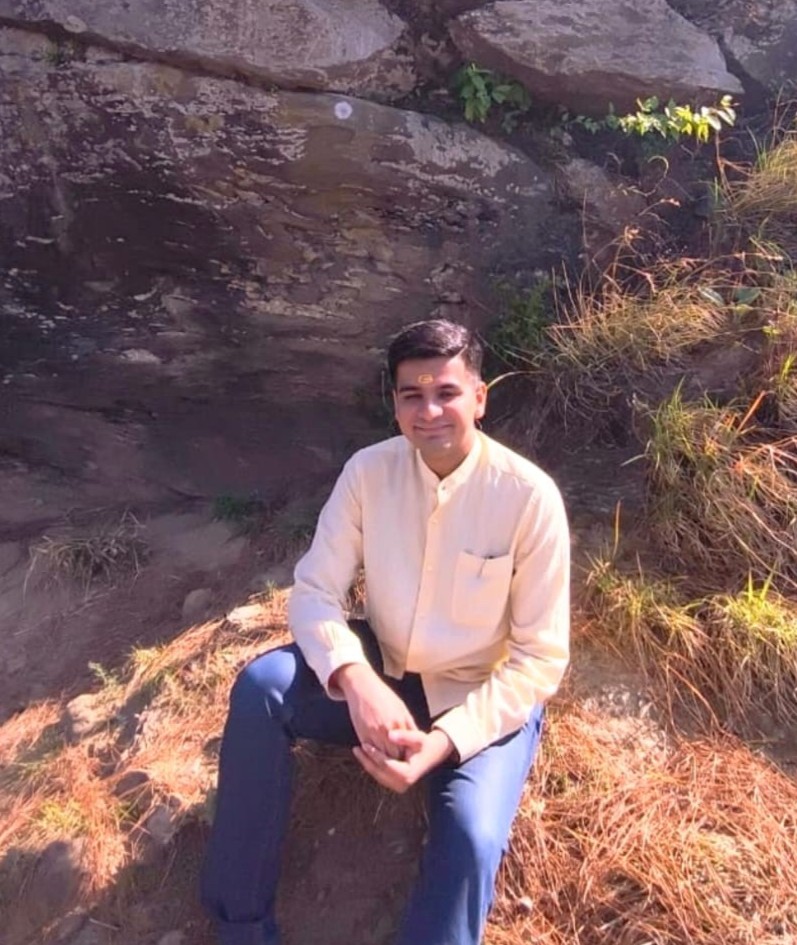
SUN TEMPLE, ALMORA, UK
Arindam Chaturvedi
Documenting Kumaon’s hidden sacred landscapes
CHAUSATH YOGINI TEMPLE, MP
Bulbul Agarwal
Understanding the mysteries of Yogini worship
HIDDEN GEMS OF INDIA
Not every wonder has crowds, Some prefer quiet …
Places to Visit In India
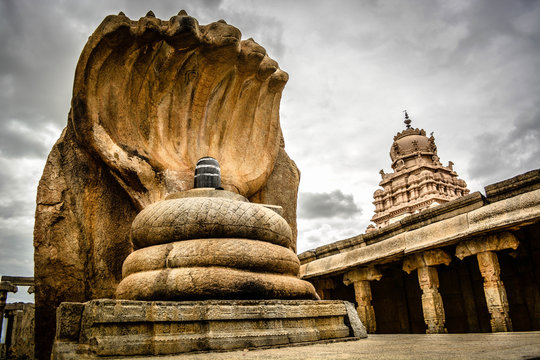
Lepakshi
A temple where giants turned to stone
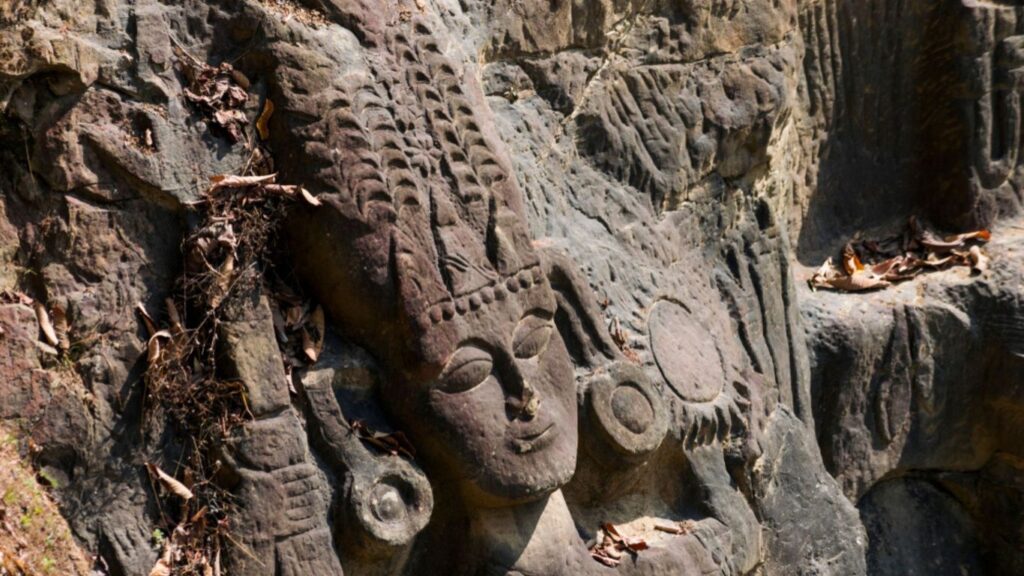
Unakoti
A forest watched by a million gods
Dholavira
Streets that have outlived their empire
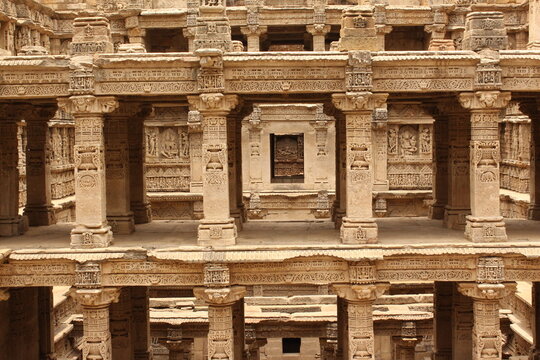
Patan
Stairs that descend into hand-carved art
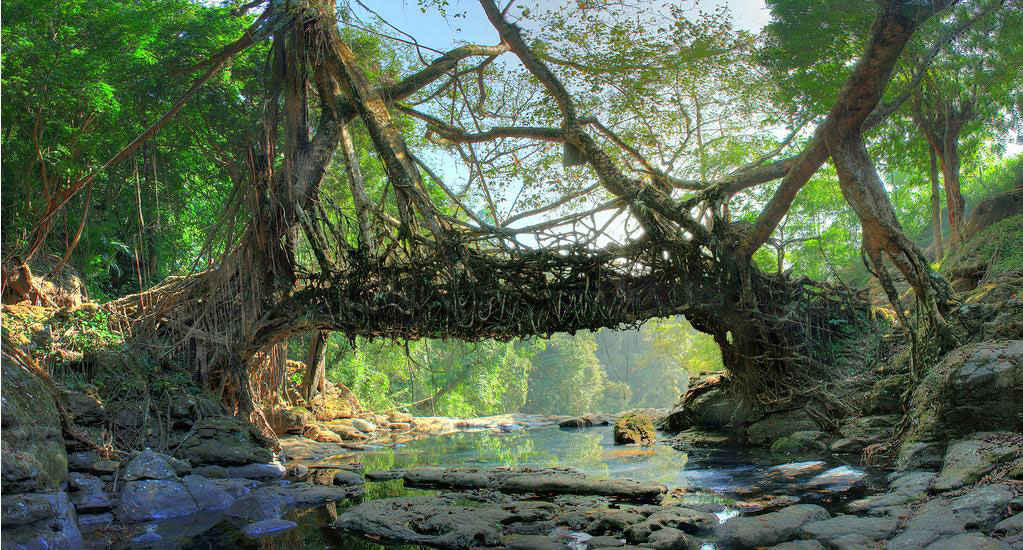
Mawlynnong
Living roots doing what bridges can’t
EXPLORE INDIA MAP
Interactive India
TRENDING DESTINATIONS
View All ›››
Stories Everyone’s reading
Delhi
Ayodhya
Varanasi
Alleppey
Khajuraho
Mysuru
Golden Temple
Jaipur
Rishikesh
Udaipur
Andaman


 KHAJURAHO, MP